
Latest Trends
Explore The Trends - Epsilon Blogs
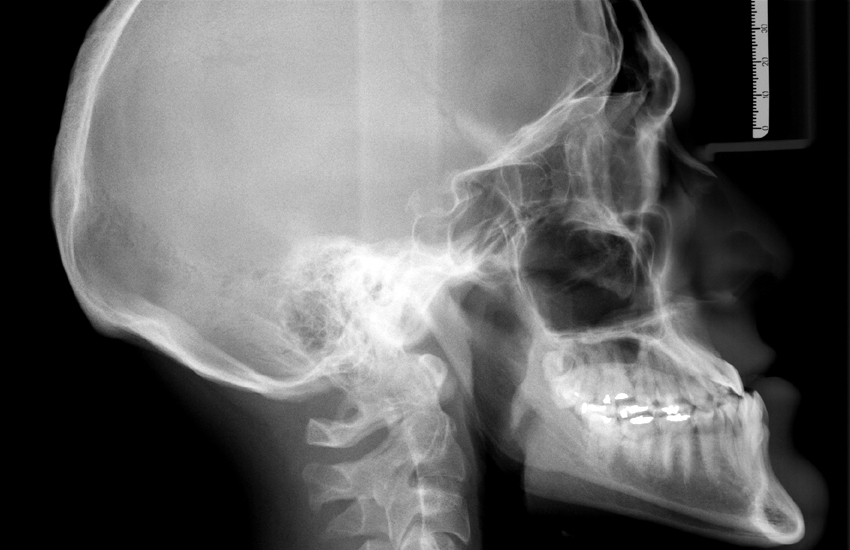
Artificial Intelligence in Radiology
Artificial intelligence (AI) algorithms, particularly deep learning, have demonstrated remarkable progress in image-recognition tasks. Methods ranging from convolutional neural networks to variational autoencoders have found myriad applications in the medical image analysis field, propelling it forward at a rapid pace. Historically, in radiology practice, trained physicians visually assessed medical images for the detection, characterization and monitoring of diseases. AI methods excel at automatically recognizing complex patterns in imaging data and providing quantitative assessments of radiographic characteristics.
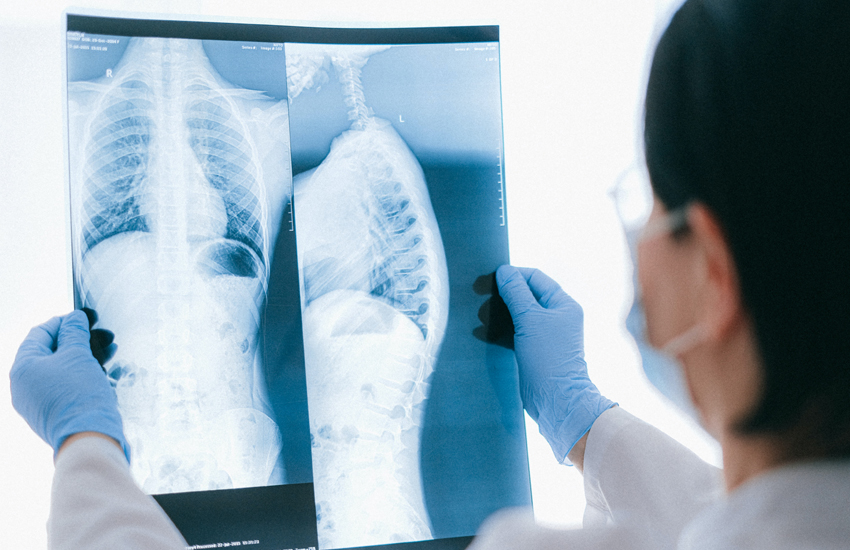
Medical Imaging in Personalised Medicine
The future of medicine lies in early diagnosis and individually tailored treatments, a concept that has been designated 'personalised medicine' (PM), i.e. delivering the right treatment to the right patient at the right time. However, the value of medical imaging in PM is frequently underestimated, as many policy makers forget the all-important right location in the PM paradigm. Medical imaging has always been personalised as it provides individual assessment of the location and extent of an abnormality, and in the future it will prove fundamental to almost all aspects of PM.
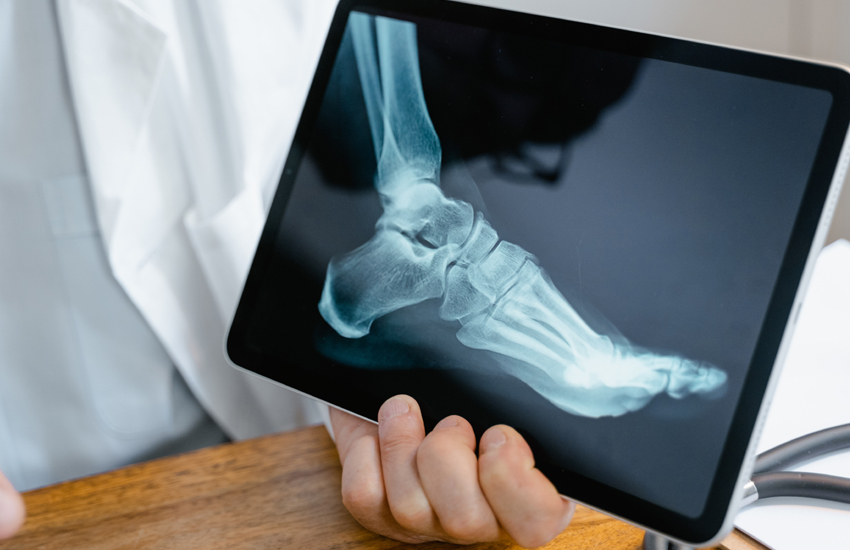
The Future Role of Radiology in Healthcare
Rapidly evolving changes in the way that healthcare is administered, coupled with the amazing recent advances within imaging, has necessitated a review of the way in which radiology should be regarded. This review considers some aspects of these changes and offers some recommendations. The origins of specialisation can be traced back to the technical nature of X-ray image capture and perhaps more significantly the difficulty of exposing, transporting and developing images on fragile glass plates for subsequent interpretation.